
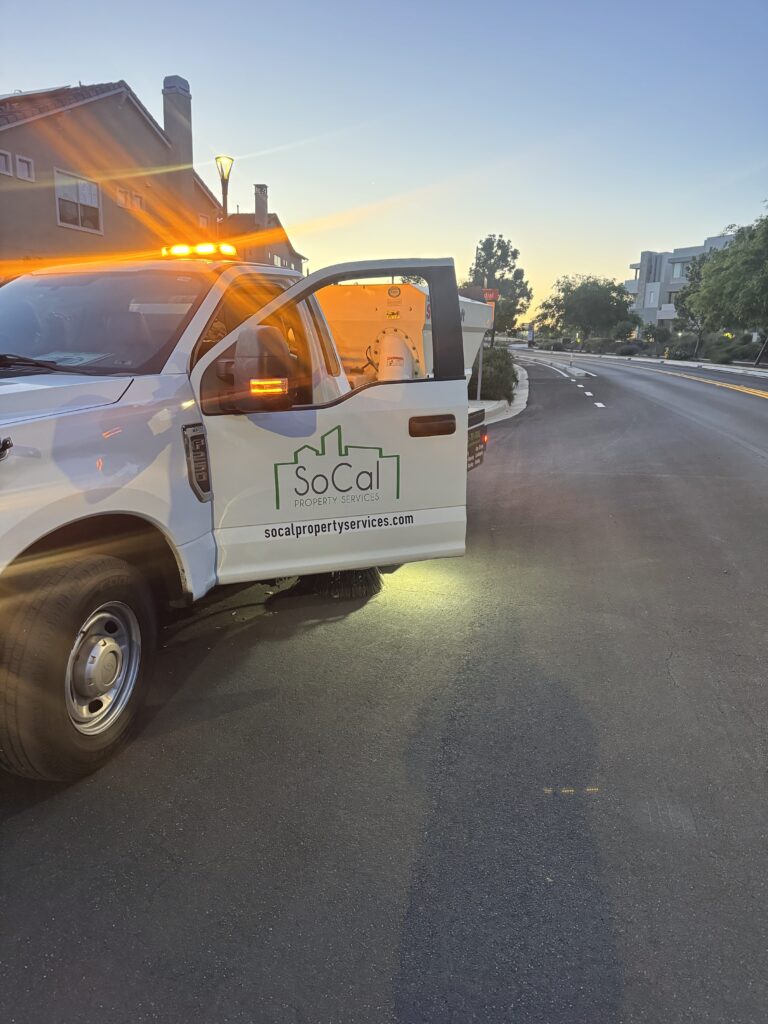
Commercial Sweeping for Construction Sites: Keeping Dust and Debris Under Control
Construction projects create progress — but they also create mess. Dust, dirt, gravel, nails, drywall fragments, and concrete residue don’t stay neatly inside a job site. They travel. Tires carry them into parking lots. Wind pushes them onto sidewalks. Rain washes them into drains.
For property managers, developers, and general contractors, unmanaged construction debris quickly turns into complaints, citations, and liability exposure.
That’s where commercial construction sweeping services become essential. Not cosmetic. Not optional. Necessary.
In Southern California especially, controlling dust and debris is directly tied to safety, environmental compliance, and maintaining your project’s professional reputation.
Why Construction Sites Create Unique Cleaning Challenges
A normal commercial property accumulates dirt gradually.
A construction site produces debris continuously.
Every delivery truck, forklift, and contractor vehicle moves material in and out all day. Without scheduled sweeping, debris spreads far beyond the construction zone.
Common construction contaminants include:
- Drywall dust and silica particles
- Loose gravel and aggregate
- Concrete slurry residue
- Wood scraps and fasteners
- Packaging materials
- Mud tracked onto pavement
- Tire wear dust from heavy equipment
Unlike regular litter, these materials create active hazards. They don’t just look bad — they cause accidents, drainage failures, and environmental violations.
The Safety Risk: Dust and Debris Lead to Real Liability
One of the biggest misconceptions is that construction debris is harmless because it’s temporary.
It isn’t.
Fine construction dust acts like ball bearings under tires and shoes. Gravel shifts under foot traffic. Nails puncture tires. Concrete residue hardens and becomes a permanent slip hazard.
Without routine sweeping, properties face:
- Slip-and-fall incidents
- Vehicle damage claims
- Worker safety complaints
- Pedestrian hazards
- ADA accessibility issues
And unlike interior jobsite hazards, these occur in public access areas — meaning property ownership often shares responsibility.
Preventative sweeping dramatically reduces risk before incidents happen.
Environmental Compliance: “Only Rain in the Drain”
Southern California stormwater regulations require properties to prevent sediment and construction debris from entering storm drains. When dust and material wash into catch basins, it becomes a compliance issue, not just a cleaning issue.
Common violations occur when:
- Dirt leaves the job site
- Streets track mud
- Sediment reaches curbs
- Materials enter drainage systems
Routine construction sweeping helps control:
- Stormwater pollution
- Airborne particulate spread
- Track-out onto public roads
Instead of reacting after a notice, proactive sweeping keeps the site aligned with environmental requirements from the start.
How Construction Sweeping Protects Pavement and Infrastructure
Heavy equipment and debris accelerate surface deterioration.
Here’s what happens without sweeping:
- Abrasive particles grind into asphalt
- Vehicles compact debris into the surface
- Moisture binds material into pavement pores
- Cracking and premature wear develop
The result: newly built or newly resurfaced areas deteriorate before project completion.
Routine sweeping removes abrasive material before damage begins — extending the life of the pavement you just invested in.
Public Perception Matters During Construction
People judge a property long before it opens.
Neighbors, tenants, city inspectors, and future customers all see the exterior first. A messy job site signals disorganization, delays, and lack of oversight.
A clean perimeter communicates:
- Professional management
- Organized contractors
- Responsible ownership
- Respect for the community
Construction sweeping doesn’t just control dirt — it protects reputation while the project is still underway.
The Difference Between Jobsite Cleanup and Commercial Sweeping
Many contractors rely on manual labor crews to clean sites. That helps inside the project boundaries, but it doesn’t address the areas where liability actually exists: exterior traffic zones.
Manual cleanup handles:
- Piles of debris
- Interior trash
- Large materials
Commercial sweeping handles:
- Roadways
- Parking areas
- Access points
- Sidewalks
- Public right-of-way
Mechanical sweepers remove fine particulate matter that brooms cannot. That fine dust is exactly what causes tracking, airborne spread, and stormwater violations.
Both have roles — but only sweeping prevents offsite impact.
When Should Construction Sites Schedule Sweeping?
The answer is simple: earlier than most projects think.
Ideal sweeping frequency depends on activity level:
Heavy activity sites
Daily or multiple times per week
Active mid-phase projects
2–3 times per week
Finishing phase projects
Weekly maintenance
Post-construction turnover
Final detailed sweeping before opening
Waiting until the end creates a larger cleanup, higher cost, and greater risk exposure during the project timeline.
Preventative scheduling is always more efficient than corrective cleanup.
Key Areas That Require Routine Sweeping
Professional construction sweeping focuses on high-impact zones:
- Entry and exit points
- Adjacent streets
- Loading zones
- Parking areas
- Sidewalks and curbs
- Storm drain approaches
These are the places debris spreads first — and where complaints originate.
Keeping them consistently clean keeps projects running smoothly.
Why Professional Equipment Matters
Construction debris isn’t typical litter. Fine silica dust and heavy aggregate require specialized sweeping equipment designed for industrial conditions.
Professional sweeping equipment:
- Captures fine airborne particles
- Vacuums sediment instead of pushing it
- Prevents dust clouds
- Cleans uneven surfaces effectively
- Removes debris without damaging pavement
Improper equipment often redistributes dust rather than removing it — creating the illusion of cleaning without solving the problem.
The Long-Term Cost Savings
Skipping construction sweeping may seem like a budget decision, but it creates larger expenses later.
Preventative sweeping helps avoid:
- Pavement repair
- Storm drain cleaning
- Compliance penalties
- Insurance claims
- Tenant complaints
- Project delays
Regular service spreads cost predictably across the project timeline instead of concentrating it into emergencies.
A Proactive Approach to Construction Maintenance
Construction is already complex. The last thing a project team needs is avoidable cleanup issues, citations, or complaints.
Routine commercial sweeping keeps the project moving forward by controlling dust, protecting surfaces, and maintaining safety standards.
At SoCal Property Services, construction sweeping is handled proactively — scheduled around site activity, documented, and performed with the right equipment for the job. The goal isn’t just cleaning. It’s preventing problems before they interrupt your project.
Because a well-managed site doesn’t just build structures — it builds confidence.
Commercial construction sweeping keeps dust down, hazards controlled, and projects on track — from groundbreaking to grand opening.